
As an Amazon Associate, I earn from qualifying purchases. This comes at no extra cost to you and helps keep this site running.
The biggest complaint about the original Potensic ATOM SE was stabilization. The Sony CMOS sensor produced solid color, but electronic image stabilization only gets you so far. In wind — and even on a perfectly calm day when the drone breathes a little — EIS footage has a ceiling.
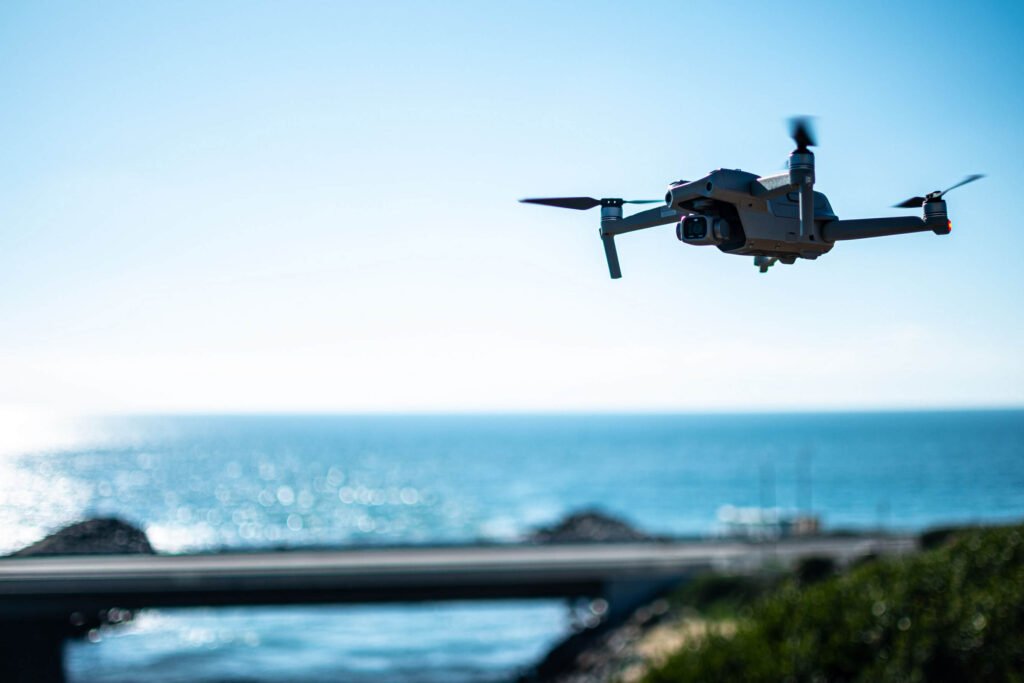
The Potensic Atom 2 fixes that. A 3-axis mechanical gimbal, 48MP sensor, 4K/30fps HDR video, doubled transmission range, and AI subject tracking — all still under 249 grams. The price steps up to $330 for the standard kit. Whether that jump makes sense depends entirely on what you were going to use it for.
Specs at a Glance
| Spec | Potensic Atom 2 |
|---|---|
| Weight | Under 249g — no FAA registration required for recreational use |
| Camera sensor | 1/2-inch CMOS, 48MP |
| Video | 4K/30fps HDR, 2.7K/30fps, 1080p/60fps |
| Photos | 48MP JPEG |
| Stabilization | 3-axis mechanical gimbal Upgraded |
| Transmission range | ~10km (6.2 miles) rated — doubled from Atom SE Upgraded |
| Live view | 1080p |
| Flight time | ~38 min rated (~30–34 min real-world) |
| Wind resistance | Level 5 — up to 10.7 m/s (~24 mph) |
| Smart modes | AI Subject Tracking, Orbit, Waypoints, QuickShots, Tap to Fly |
| GPS | GPS + GLONASS dual-band |
| Return to Home | Yes — low battery, signal loss, manual |
| Obstacle avoidance | None |
| Price (Standard Kit) | ~$329.99 — check current price on Amazon |
| Price (Fly More) | ~$429.99 — 3 batteries, fast-charge hub, shoulder bag — see Fly More bundle |
Upgrading from the ATOM SE? The jump is meaningful: 3-axis gimbal vs EIS, 48MP vs 12MP, and doubled range. If you fly in any wind or care about footage quality beyond calm-day casual, the Atom 2 is the upgrade worth making. Read our full ATOM SE review here →
📷 Camera & Image Quality
The jump to 48MP is more than a number. Stills have real detail — enough to crop significantly for social content without it falling apart. Color science is good for the price: blues and greens render naturally without the over-saturation you see on cheaper sensors.
HDR video at 4K/30fps opens up landscape and travel shots where blown-out skies are a real problem. The dynamic range expansion is visible — not DJI’s 10-bit D-Log M level, but a genuine step up from flat 4K.
Still no RAW output. If your workflow involves serious color grading, that matters. For most users creating content for YouTube, Instagram, or client highlight reels, the JPEGs are plenty.
The gimbal makes the real difference: Footage from the Atom SE in 10 mph wind shows jello and wobble. The Atom 2’s 3-axis gimbal handles the same conditions cleanly. If you’ve been frustrated by EIS drone footage before, this is the fix.
🎬 The Gimbal Upgrade — What It Actually Means
The Atom SE used electronic image stabilization. It’s a software crop-and-compensate approach. Works well in still air, starts to fail in any real-world wind, and has zero ability to correct for pitch or roll physically.
A 3-axis mechanical gimbal physically tilts and rotates to counteract drone movement in real time. The result: smooth footage in conditions where the drone itself is bobbing around. It’s not magic — in severe wind you’ll still feel the drone fighting — but the improvement over EIS is the single biggest quality-of-life change in this drone.
What this unlocks in practice: coastal shots where there’s always some breeze, elevated locations, faster movement shots, and any Follow Me scenario where the drone isn’t hanging perfectly still.
Gimbal care: Mechanical gimbals are more delicate than EIS. Protect it in transit — the included bag in the Fly More bundle is worth it for this reason alone. Hard landings can knock calibration; recalibrate in the app if footage looks tilted after transport.
🚁 Flight Performance
GPS lock is quick — typically under 30 seconds in open sky. Position hold is rock solid; let go of the sticks and the Atom 2 sits there. In light breeze you’d be hard-pressed to tell it’s moving at all.
Level 5 wind resistance at 10.7 m/s is a step up from the SE’s 8 m/s. Real-world this means you can fly comfortably in the low-20-mph range without the drone visibly fighting to hold position. Not suitable for heavy weather, but more forgiving than most drones in its class.
Return to Home is reliable. It comes back within 1–2 meters consistently. Auto RTH on signal loss and low battery both trigger as expected — important safety net when flying beyond easy visual range.
No obstacle avoidance. This is the price of sub-250g. Plan your flight paths, pre-clear your area, and keep eyes on the drone at all times when using autonomous modes. New to flying? Start here before your first session →
📡 Transmission & Range
10km rated range is double the Atom SE’s 4km Pixsync 2.0. For legal recreational flying — visual line of sight, under 400 feet — you’ll never push the distance ceiling. The improvement matters more for signal robustness in RF-crowded environments like parks surrounded by residential WiFi.
The 1080p live view is a real improvement over the SE’s 720p feed. Composition and framing are now actually useful on the controller screen — enough to judge a shot before committing, not just enough to confirm the drone is facing the right direction.
Real-world range in typical suburban conditions: 3–4 miles before signal starts to degrade. Well beyond what you’ll use at legal recreational altitudes.
🎯 Smart Modes & AI Tracking
The Atom 2 upgrades from GPS Follow Me to genuine AI visual subject tracking — the camera identifies and follows a subject optically, not just by chasing your phone’s location. This matters for faster movement and situations where keeping your phone in your pocket would break the old GPS Follow Me mode.
AI Subject Tracking locks onto a person or vehicle and keeps them centered as you move. Works reliably in open environments; loses the subject if they pass behind obstacles (no surprise without obstacle sensing). Accurate at moderate speeds — walking, cycling, paddle sports.
Orbit Mode locks onto a point and flies a smooth circle around it. With the 3-axis gimbal this mode now produces the footage it was always supposed to — buttery smooth reveals and reveals that actually look cinematic.
Waypoints lets you pre-plan a path on the map and fly it automatically. Useful for real estate walk-arounds, repeat footage at the same location, or complex shots you’ve choreographed in advance.
QuickShots — Dronie, Helix, Rocket, Boomerang — executes preset cinematic moves at a button press. Point-and-shoot results. The gimbal makes these look significantly better than on the SE.
🔋 Battery & Flight Time
Rated at 38 minutes, real-world lands at 30–34 in calm conditions, less in wind or aggressive flying. That’s a solid single-battery session — enough to get a variety of shots without constantly swapping.
The Fly More bundle (~$430) includes three batteries, a fast-charge hub, and a shoulder bag — around 90–96 minutes of real-world flight time per outing. The fast-charge hub reduces downtime considerably compared to single-port USB-C charging.
Charging: approximately 75–90 minutes per battery. If you’re shooting all day, bring a portable power bank for field top-ups between sessions.
⚖️ Atom 2 vs Atom SE — Is the Upgrade Worth It?
| Feature | Atom SE (~$250) | Atom 2 (~$330) |
|---|---|---|
| Stabilization | EIS (electronic) | 3-axis mechanical gimbal ✓ |
| Camera resolution | 12MP JPEG | 48MP JPEG ✓ |
| Video | 4K/30fps EIS | 4K/30fps HDR ✓ |
| Transmission range | 4km | 10km ✓ |
| Live view quality | 720p | 1080p ✓ |
| Subject tracking | GPS Follow Me | AI visual tracking ✓ |
| Wind resistance | Level 5 (8 m/s) | Level 5 (10.7 m/s) ✓ |
| Weight | <249g | <249g |
The Atom 2 wins on every spec that matters for footage quality. If you already own the SE and shoot exclusively in calm, windless conditions for casual use only, the upgrade is optional. For everyone else — especially anyone frustrated by EIS wobble — the $80 step-up is the right call. New buyers should just get the Atom 2.
What I Like & What Could Be Better
What I Like
- 3-axis mechanical gimbal — the most important upgrade from the SE
- 48MP stills with genuinely good color rendering
- 4K/30fps HDR useful for high-contrast scenes
- Doubled transmission range (10km) with 1080p live view
- AI visual subject tracking vs GPS-only Follow Me
- Still under 249g — no FAA registration for recreational use
- Strong GPS lock and reliable Return to Home
- Fly More bundle is strong value for regular flyers
What Could Be Better
- No obstacle avoidance of any kind
- No RAW photo output
- No log video profiles for color grading
- Mechanical gimbal needs careful handling in transport
- Smaller ecosystem than DJI — fewer accessories, less community content
- AI tracking loses subjects behind any obstacle
- $330 base puts it squarely in DJI Mini 4 Pro territory
How It Scores
Should You Buy the Potensic Atom 2?
Frequently Asked Questions
Is the Potensic Atom 2 worth upgrading from the ATOM SE?
Yes, if stabilization matters. The 3-axis gimbal is a night-and-day improvement in any wind. You also get 48MP vs 12MP stills, doubled range, 1080p live view, and AI visual tracking. New buyers should just get the Atom 2. Existing SE owners: upgrade if you’ve been frustrated by footage quality.
Does the Atom 2 require FAA registration?
No — it’s under 249g. For recreational pilots, no registration required. You still need to follow FAA rules: fly below 400 feet, stay in visual line of sight, avoid controlled airspace. But no registration card, no marking requirement.
How does the Atom 2 compare to the DJI Mini 4 Pro?
Similar camera specs, similar price tier. The DJI Mini 4 Pro has omnidirectional obstacle avoidance and a far larger ecosystem. The Atom 2 is more affordable and keeps you outside the DJI orbit. If ecosystem matters, the Mini 4 Pro wins. If you want the best value without DJI, the Atom 2 is it. See our Mini 4 Pro review →
What’s the real-world range?
Rated 10km. Real-world expect 3–4 miles in typical environments. For legal recreational flying you’ll never approach that ceiling — visual line of sight puts you within 600 meters in practice. The improvement over the SE’s 4km system is mostly about robustness in RF-heavy environments, not raw distance.
Is the Fly More bundle worth it?
Yes, if you fly regularly. Three batteries, fast-charge hub, shoulder bag — around 90–96 minutes of real flight time per outing. Buying batteries separately costs nearly as much. If you’ll fly more than once a week, start with the Fly More.
Does the Atom 2 have obstacle avoidance?
No. This is a consistent trade-off for sub-250g weight. Pre-clear your flight area before using any autonomous mode. Keep visual line of sight at all times. If obstacle avoidance is a requirement, step up to the DJI Air 3S.
Final Verdict: Potensic Atom 2
The Atom SE proved that Potensic could build a drone worth considering. The Atom 2 proves they learned from the feedback. The 3-axis gimbal, 48MP sensor, HDR video, and doubled range make this the most complete sub-250g non-DJI drone at this price point.
The $330 entry price is honest for what you get. The DJI Mini 4 Pro sits nearby with a larger ecosystem and obstacle avoidance. If those things matter, pay for them. If your priority is the best camera quality and feature set outside the DJI world — without crossing the 250g threshold — the Atom 2 is the current answer.
Check Price on Amazon Compare to the ATOM SEKeep Reading
Last updated: June 2026. Prices verified at time of publication — always check Amazon for current pricing before purchasing.